Lieutenant General Adrian Paul Ghislain Carton de Wiart
VC KBE CB CMG DSO
late The Imperial Light Horse and 4th Dragoon Guards
THIS PAGE IS STILL UNDER CONSTRUCTION (14th JULY 2026)
From Wikipedia source https://en.wikipedia.org/wiki/Adrian_Carton_de_Wiart
Lieutenant-General Sir Adrian Paul Ghislain Carton de Wiart, VC, KBE, CB,CMG, DSO (5 May 1880 – 5 June 1963) was a British Army officer of Belgian and Irish descent.]He was awarded the Victoria Cross, the highest military decoration awarded for valour "in the face of the enemy" in various Commonwealth countries. He served in the Boer War, First World War, and Second World War. He was shot in the face, head, stomach, groin, ankle, leg, hip, and ear. He was also blinded in his left eye, survived two plane crashes, tunnelled out of a prisoner-of-war camp, and ripped off his own severely injured fingers when a doctor declined to amputate them. Describing his experiences in the First World War, he wrote, "Frankly, I had enjoyed the war".
In his memoirs, Carton de Wiart wrote, "Governments may think and say as they like, but force cannot be eliminated, and it is the only real and unanswerable power. We are told that the pen is mightier than the sword, but I know which of these weapons I would choose." The Oxford Dictionary of National Biography described him thus: "With his black eyepatch and empty sleeve, Carton de Wiart looked like an elegant pirate, and became a figure of legend."
Carton de Wiart was a Roman Catholic. In 1891, his English stepmother sent him to a boarding school in England, the Roman Catholic Oratory School, founded by John Henry Newman. From there, he went to Balliol College, Oxford, but left around 1899, just before or during the Second Boer War, to join the British Army. He falsified his name and age, signing up as "Trooper Carton" in Paget's Horse, and claiming to be 25 years old where his actual age was no more than 20.
Second Boer War.
Carton de Wiart was wounded in the stomach and groin in South Africa early in the Second Boer War and was invalided home. His father was furious when he learned his son had abandoned his studies, but allowed him to remain in the army. After another brief period at Oxford, where Aubrey Herbert was among his friends, he was given a commission in the Second Imperial Light Horse. He saw action in South Africa again, and on 14 September 1901 was given a regular commission as a second lieutenant in the 4th Dragoon Guards. Carton de Wiart was transferred to India in 1902. He enjoyed sports, especially shooting and pig sticking.
Pre- First World War.
Carton de Wiart's serious wound in the Boer War instilled in him a strong desire for physical fitness and he ran, jogged, walked and played sports on a regular basis. In male company he was "a delightful character and must hold the world record for bad language".
After his regiment was transferred to South Africa he was promoted to lieutenant on 16 July 1904 and appointed an aide-de-camp to the commander-in-chief, Lieutenant General Sir Henry Hildyard, the following July. He describes this period lasting up to 1914 as his "Heyday", the title of Chapter 3 of his autobiography. His light duties as aide-de-camp gave him time for polo, another of his interests. By 1907, although by then having served in the British Army for eight years, he had remained a Belgian subject. On 13 September of that year, he took the oath of allegiance to Edward VII and was formally naturalised as a British subject.
In 1908, he married Countess Friederike Maria Karoline Henriette Rosa Sabina Franziska Fugger von Babenhausen (1887 Klagenfurt – 1949 Vienna), the eldest daughter of Karl, 5th Prince Fugger von Babenhausen and Princess Eleonora zu Hohenlohe-Bartenstein und Jagstberg of Klagenfurt, Austria. They had two daughters; the eldest, Anita (born 1909), was to be the maternal grandmother of the war correspondent Anthony Loyd (born 1966).
Carton de Wiart was already well-connected in European circles, his two closest cousins being Count Henri Carton de Wiart, Prime Minister of Belgium from 1920 to 1921, and Baron Edmond Carton de Wiart, political secretary to the King of Belgium and director of La Société Générale de Belgique. While on leave, he travelled extensively throughout central Europe, using his Catholic aristocratic connections to shoot at country estates in Bohemia, Austria, Hungary and Bavaria.
[21] Following his return to England, he rode with the famous Duke of Beaufort's Hunt where he met, among others, the future field marshal Sir Henry Maitland Wilson and the future air marshal Sir Edward Ellington. He was promoted to the rank of Captain on 26 February 1910. The Duke of Beaufortwas the honorary colonel of the Royal Gloucestershire Hussars, and from 1 January 1912 until his departure for Somaliland in 1914 Carton de Wiart served as the regiment's adjutant.
First World War.
Somaliland Campaign
When the First World War broke out, Carton de Wiart was en route to British Somaliland where a low-level war was underway against the followers of Dervish leader Mohammed bin Abdullah, called the "Mad Mullah" by the British. Carton de Wiart had been seconded to the Somaliland Camel Corps.[24] In an attack upon an enemy fort at Shimber Berris, Carton de Wiart was shot twice in the face, losing his eye and a portion of his ear. He was awarded the Distinguished Service Order (DSO) on 15 May 1915.[25] Upon hearing of the death of the "Mad Mullah", Carton de Wiart stated that he "felt a sense of real personal loss", for the "Mad Mullah" was "a godsend to officers with an urge to fight and a shaky or non-existent bank balance".[21]
Western Front
In February 1915, he embarked on a steamer heading for France. Carton de Wiart took part in the fighting on the Western Front, commanding successively three infantry battalions and a brigade. He was wounded seven more times in the war, losing his left hand in 1915 and pulling off his fingers when a doctor declined to remove them.[26] He was shot through the skull and ankle at the Battle of the Somme, through the hip at the Battle of Passchendaele, through the leg at Cambrai and through the ear at Arras. He went to the Sir Douglas Shield's Nursing Home to recover from his injuries.[27]
Victoria Cross
Carton de Wiart received the Victoria Cross (VC), the highest award for gallantry in combat against the enemy that can be awarded to British Empire forces, in 1916. He was 36 years old and a temporary lieutenant-colonel in the 4th Dragoon Guards (Royal Irish), British Army, attached to the Gloucestershire Regiment, commanding the 8th Battalion, when the following events took place on 2/3 July 1916, in the opening days of the Battle of the Somme, at La Boiselle, France, as recorded in the official citation:
Capt. (temp. Lt.-Col.) Adrian Carton de Wiart, D.S.O., Dn. Gds. For most conspicuous bravery, coolness and determination during severe operations of a prolonged nature. It was owing in a great measure to his dauntless courage and inspiring example that a serious reverse was averted. He displayed the utmost energy and courage in forcing our attack home. After three other battalion Commanders had become casualties, he controlled their commands, and ensured that the ground won was maintained at all costs. He frequently exposed himself in the organisation of positions and of supplies, passing unflinchingly through fire barrage of the most intense nature. His gallantry was inspiring to all.
— London Gazette, 9 September 1916.
His Victoria Cross is displayed at the National Army Museum in Chelsea.
1916–1918
Carton de Wiart was promoted to Temporary Major in March 1916, and to the rank of Temporary Lieutenant Colonel on 18 July, was brevetted to Major on 1 January 1917 and was promoted to Temporary Brigadier General on 12 January 1917. He was appointed an Officer of the Order of the Crown of Belgium in April 1917. On 3 June 1917, Carton de Wiart was brevetted to Lieutenant-Colonel.. On 18 July, he was promoted to the substantive rank of Major in the Dragoon Guards. He was awarded the Belgian Croix de Guerre in March 1918, and was appointed a Companion of the Order of St Michael and St George in the King's Birthday Honours List in June.
On 8 November, just three days before the end of the war, Carton de Wiart was given command of a brigade with the rank of Temporary Brigadier General. A.S. Bullock gives a vivid first-hand description of his arrival: 'Cold shivers went down the back of everyone in the brigade, for he had an unsurpassed record as a fire eater, missing no chance of throwing the men under his command into whatever fighting happened to be going.' Bullock recalls how the battalion looked 'very much the worse for wear' when they paraded for the Brigadier General's inspection. He arrived 'on a lively cob with his cap tilted at a rakish angle, and a shade over the place where one of his eyes had been'. He was also missing two limbs and had eleven wound stripes. Bullock, the first man in line for the inspection, notes that Carton de Wiart, despite having only one eye, ordered him to get his bootlace changed.
Post-First World War era and the Polish mission
At the end of the war Carton de Wiart was sent to Poland as second in command of the British-Poland Military Mission under General Louis Botha. Carton de Wiart was appointed a Companion of the Order of the Bath in the 1919 King's Birthday Honours List. After a brief period, he replaced General Botha in the mission to Poland.
Poland desperately needed support, as it was engaged with Bolshevik Russia in the Polish-Soviet War, the Ukrainians in the Polish-Ukrainian War, the Lithuanians in the Polish-Lithuanian War and the Czechs in the Czech-Polish border conflicts. There he met pianist Ignacy Jan Paderewski, Marshal Józef Piłsudski, the Chief of State and military commander and General Maxime Weygand, head of the French military mission in mid-1920. The Ukrainian nationalists under Simon Petlyura were besieging the city of Lwów (Lvov; Lemberg). One of his tasks soon after Carton de Wiart's arrival was to attempt to make peace between the Poles and the Ukrainians; the peace talks were unsuccessful.
From there, he went on to Paris to report to the British Prime Minister, David Lloyd George and to General Sir Henry Wilson, regarding the Polish situation. Lloyd George was not sympathetic to Poland and, much to Carton de Wiart's annoyance, Britain sent next to no military supplies. Then he went back to Poland and many more front line adventures, this time in the Bolshevik zone, where the situation was grave and Warsaw threatened. During this time he had significant interaction with the nuntius (dean of the Vatican diplomatic corps) Cardinal Achille Ratti, later Pius XI, who wanted Carton de Wiart's advice as to whether to evacuate the diplomatic corps from Warsaw. The diplomats moved to Poznań, but the Italians remained in Warsaw along with Ratti.
From all these affairs, Carton de Wiart developed a sympathy with the Poles and supported their claims to eastern Galicia. This caused disagreement with Lloyd George at their next meeting, but was appreciated by the Poles. Norman Davies reports that he (Carton de Wiart) was "compromised in a gun-running operation from Budapest using stolen wagon-lits". He became close to the Polish leader, Marshal Piłsudski. After an aircraft crash occasioning a brief period in Lithuanian captivity, he went back to England to report, this time to the Secretary of State for War, Winston Churchill. He passed on to Churchill Piłsudski's prediction that the White Russian offensive under General Anton Denikin directed at Moscow would fail, and it did shortly thereafter. Churchill was more sympathetic to Polish needs than Lloyd George and succeeded, over Lloyd George's objections, in sending some materiel to Poland.
On 27 July 1920, Carton de Wiart was appointed an aide-de-camp to the king, and brevetted to Colonel. He was active in August 1920, when the Red Army was at the gates of Warsaw. While out on his observation train, he was attacked by a group of Red cavalry, and fought them off with his revolver from the footplate of his train, at one point falling on the track and re-boarding quickly.
When the Poles won the war, the British Military Mission was wound up. Carton de Wiart was promoted to Temporary Brigadier General and also appointed to the local rank of Major General on 1 January. He was promoted to the substantive rank of Colonel on 21 June 1922, with seniority from 27 July 1920 and relinquished his local rank of major general on 1 April 1923, going on half-pay as a colonel at the same time. Carton de Wiart officially retired from the army on 19 December, with the honorary rank of Major General
Lt Gen Carton de Wiart's Grave.
The General's first wife died in 1949.
In 1951, aged 71, General Carton de Wiart married a divorcee, Ruth Myrtle Muriel Joan McKechnie. Ruth was known as Joan Sutherland. They settled at Aghinagh House, Killinardrish, County Cork, Ireland.
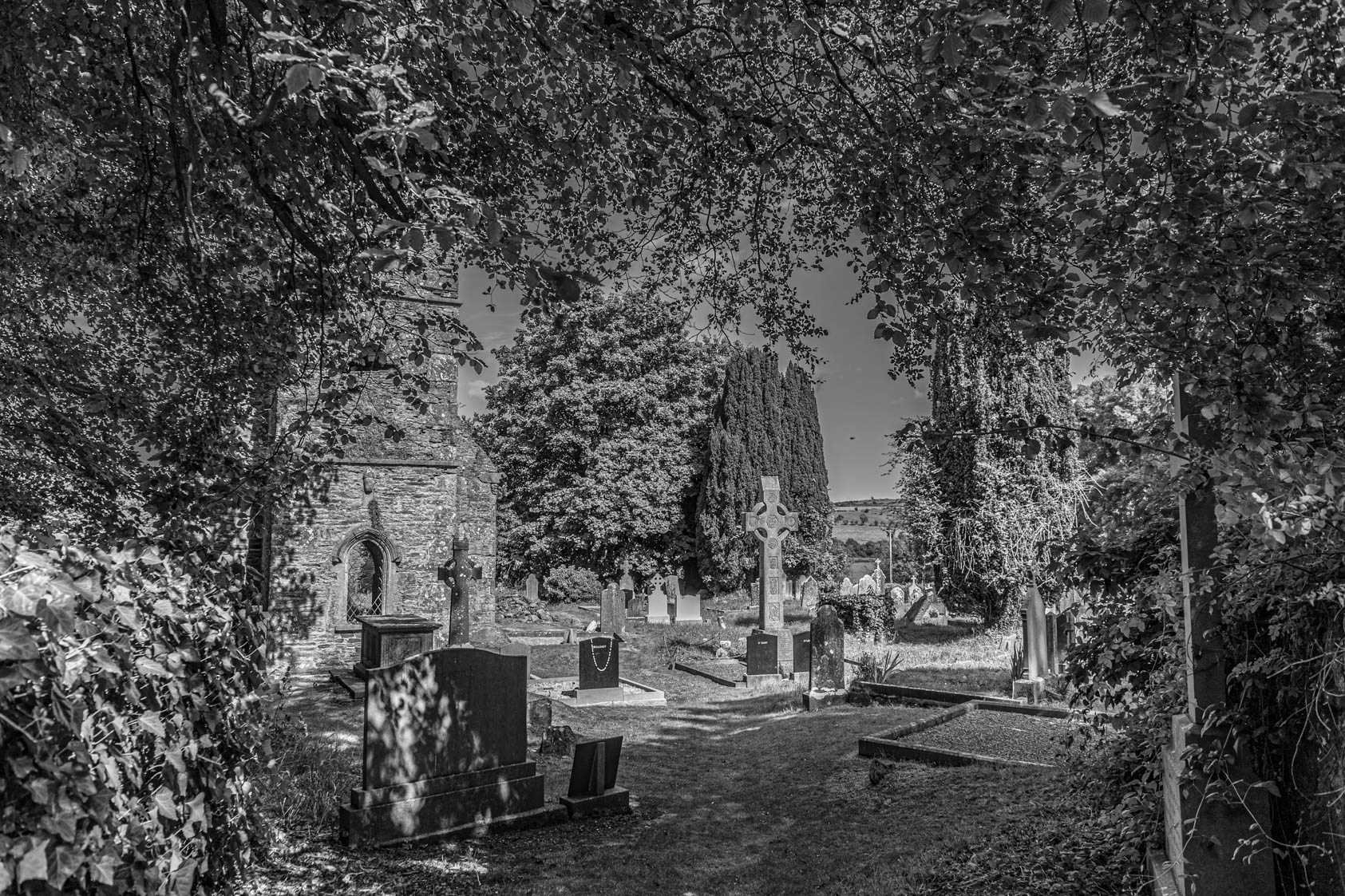
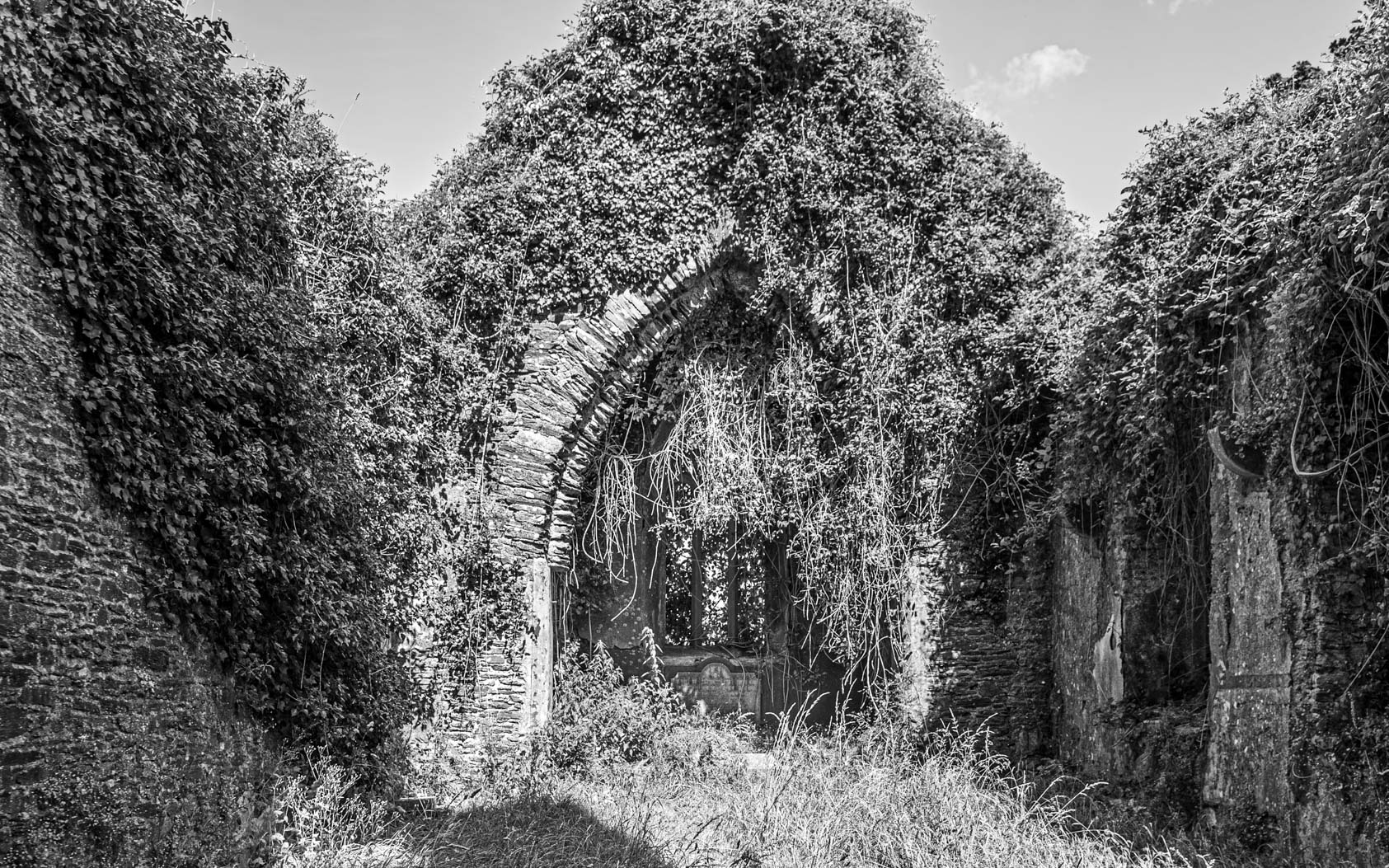
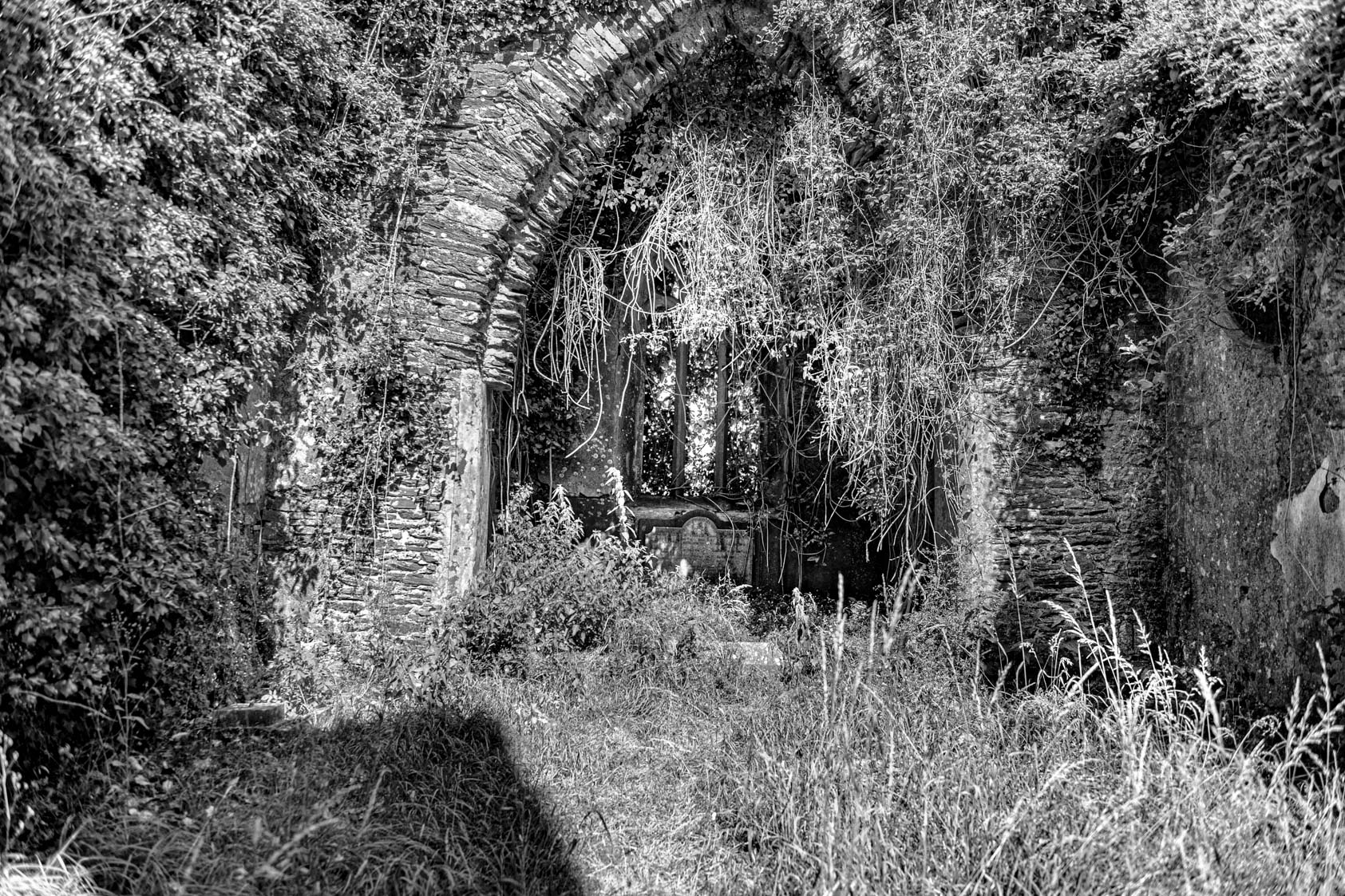
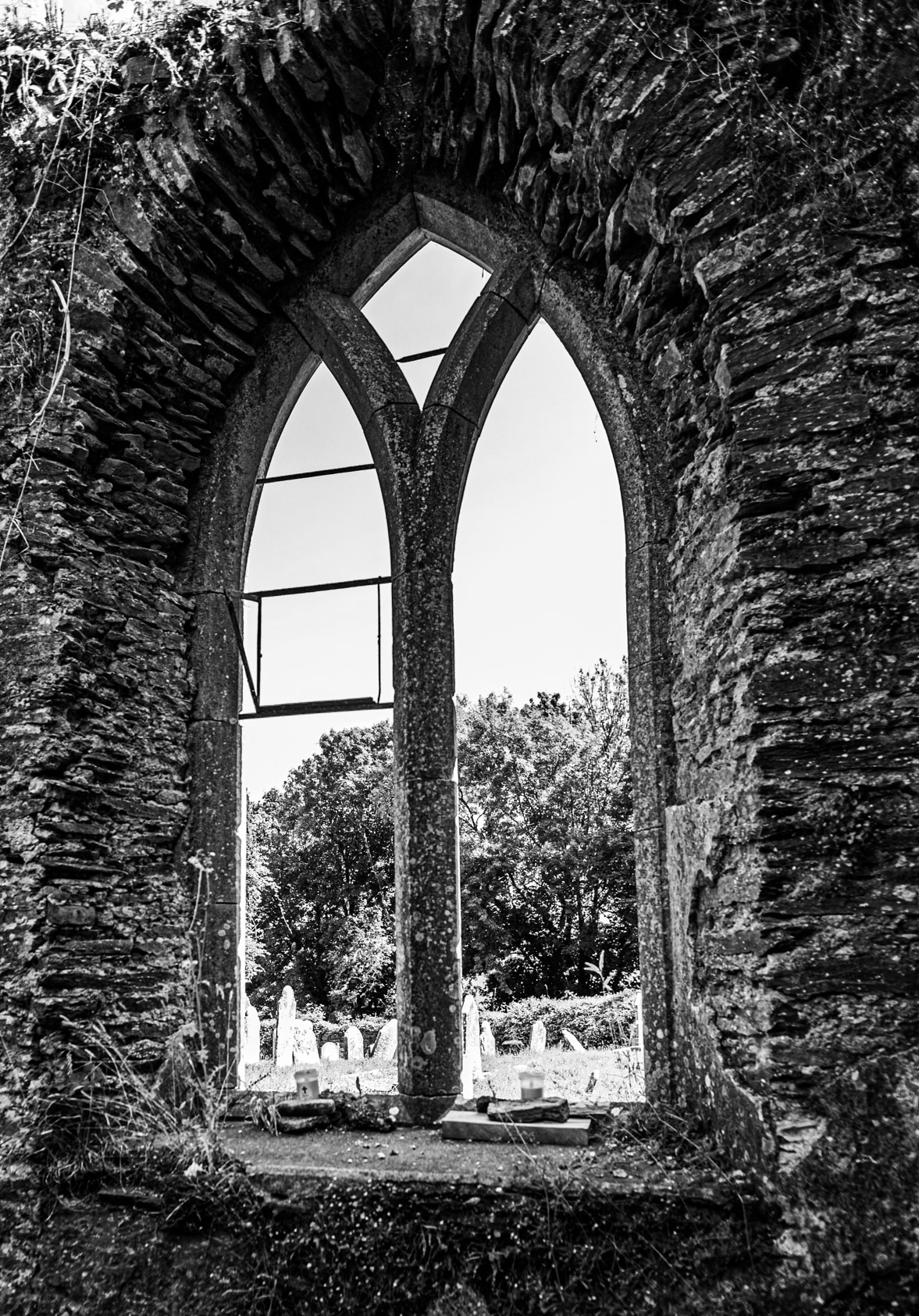
Gen Carton de Wiart died at the age of 83 on 5 June 1963. He left no papers.. His widow Joan, 23 years his junior (born in late 1903), died on 13 January 2006 at the age of 102. She was buried next to him in Caum churchyard just off the main Macroom road. The grave site is just outside the walls of the churchyard, but in the grounds of his home, Aghinagh House.
To visit the General's grave, you need to go through the churchyard to the far side, and climb over a stone stile. The General's grave is in a beautifully serene and tranquil spot, quite at odds with the drama and noise of his military life.
Photograph credits : Shaun Parkes MA and Dr. Jo Parkes. July 2026.
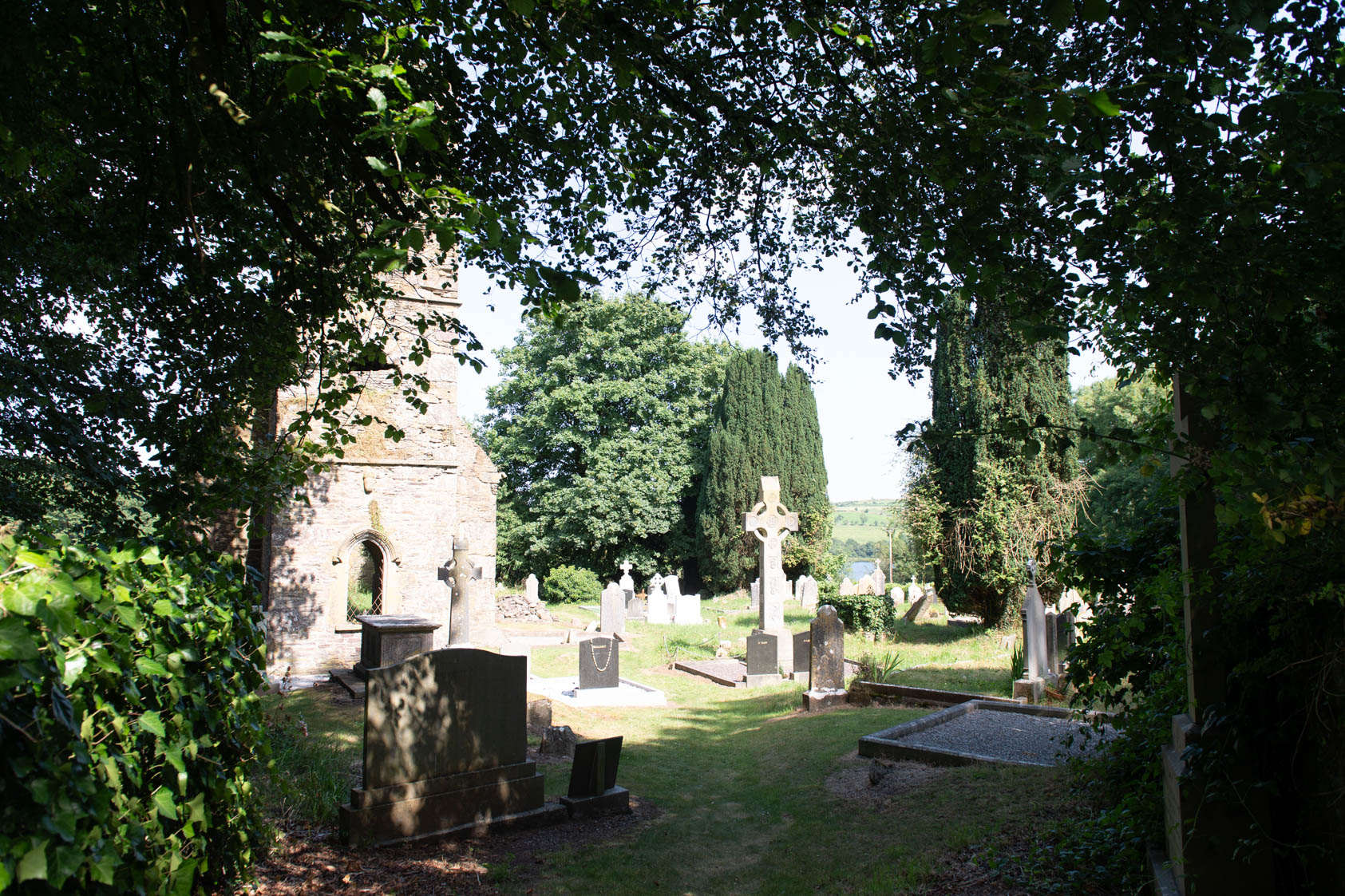
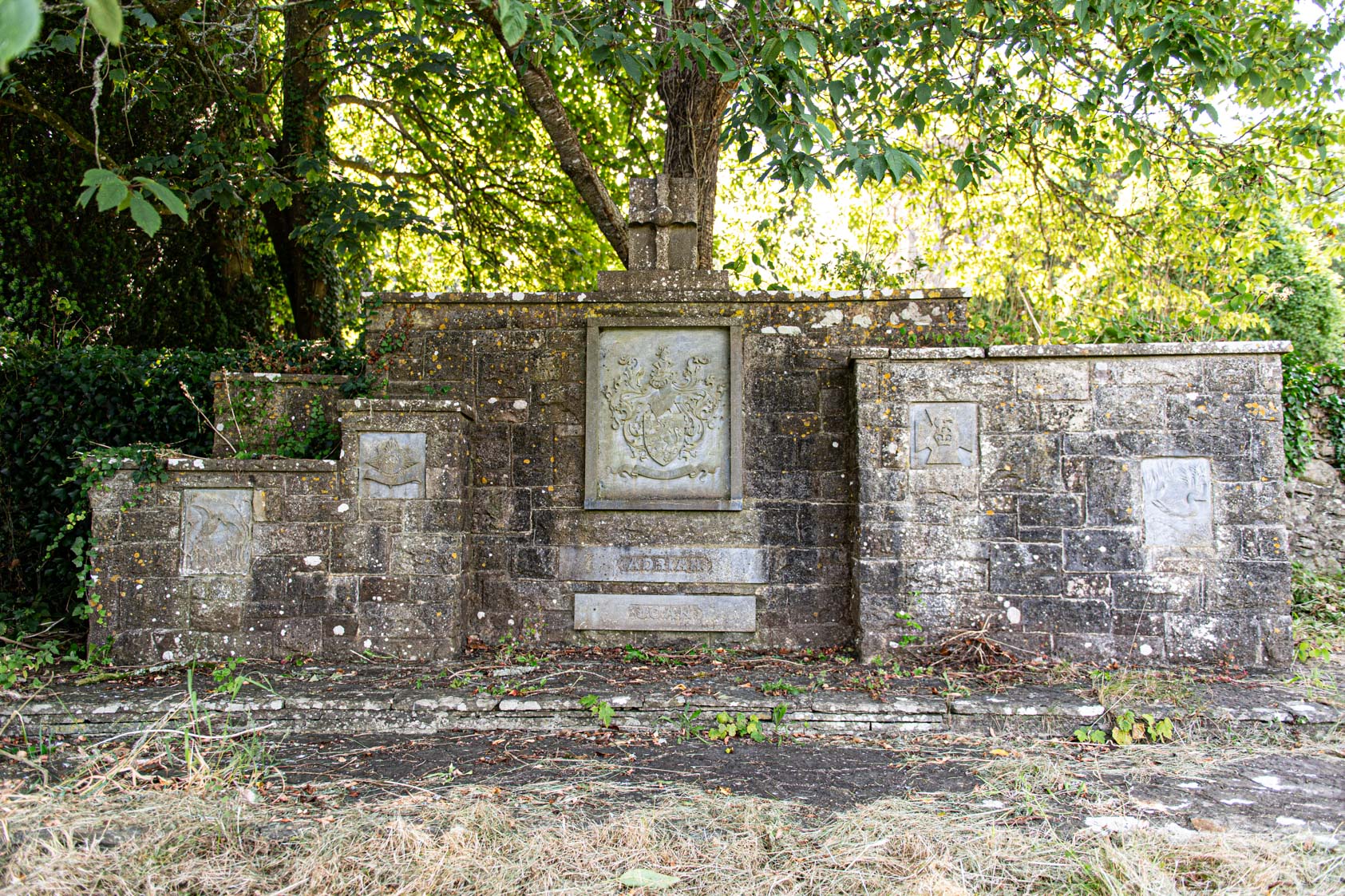
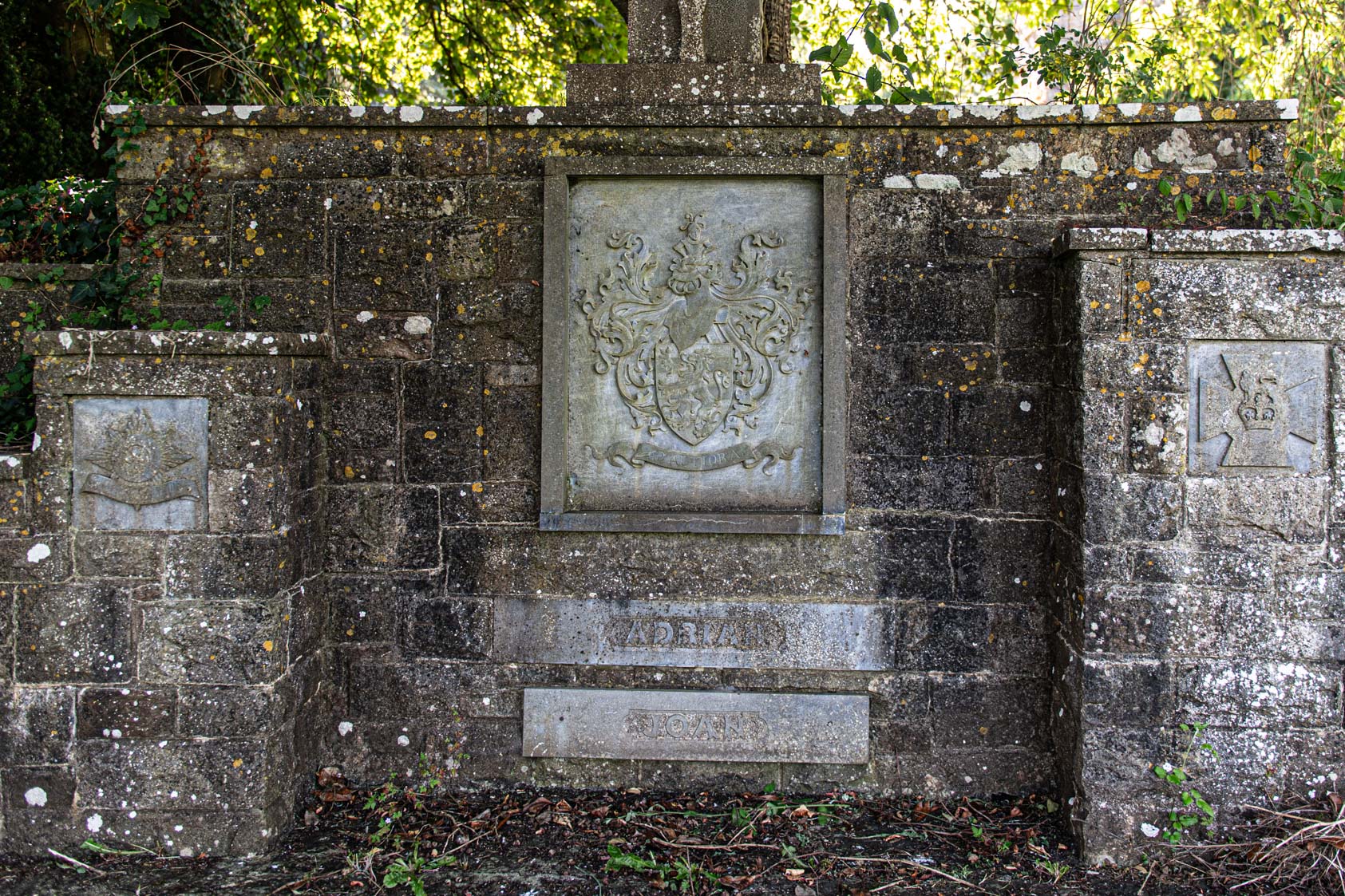
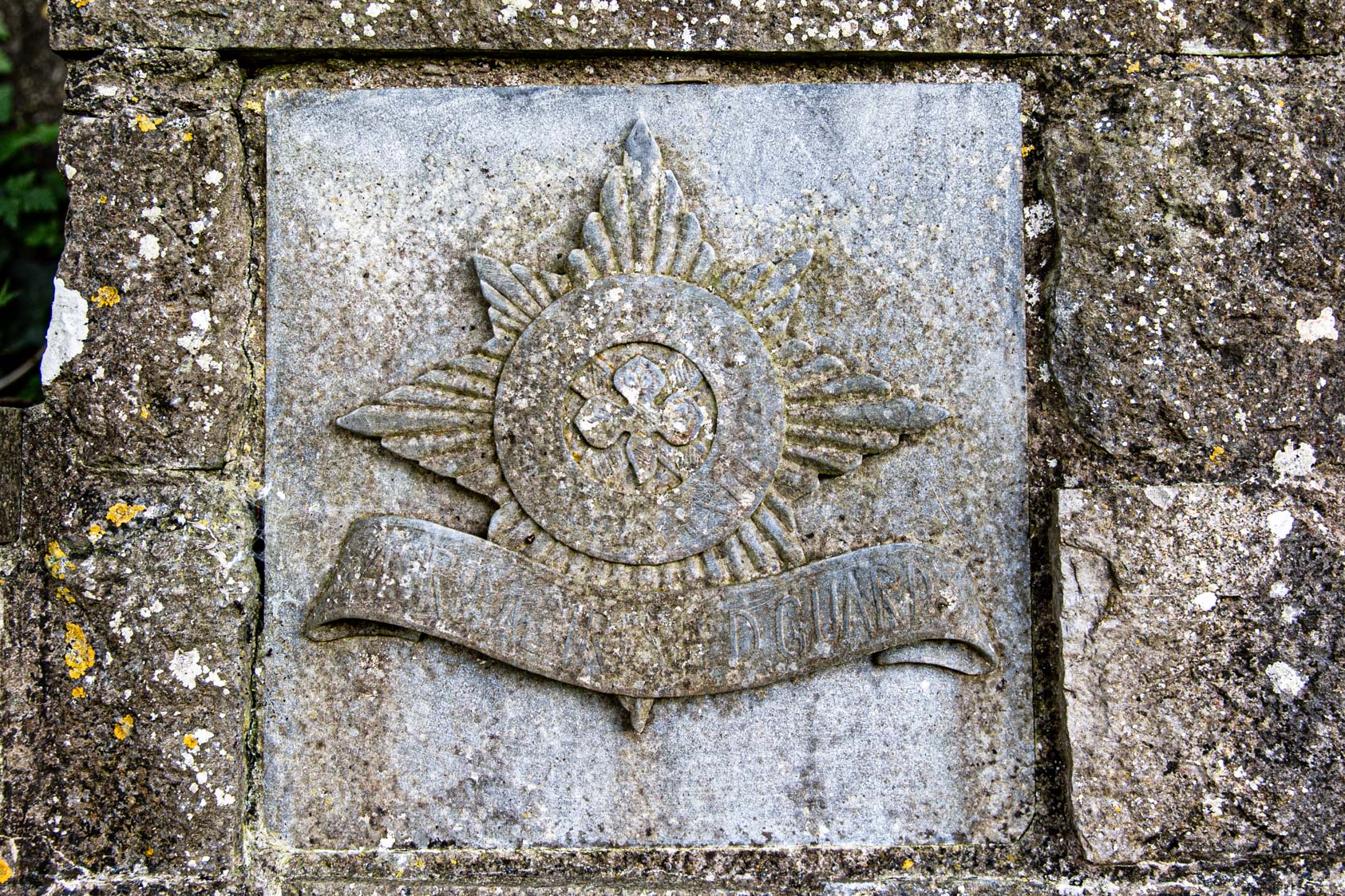
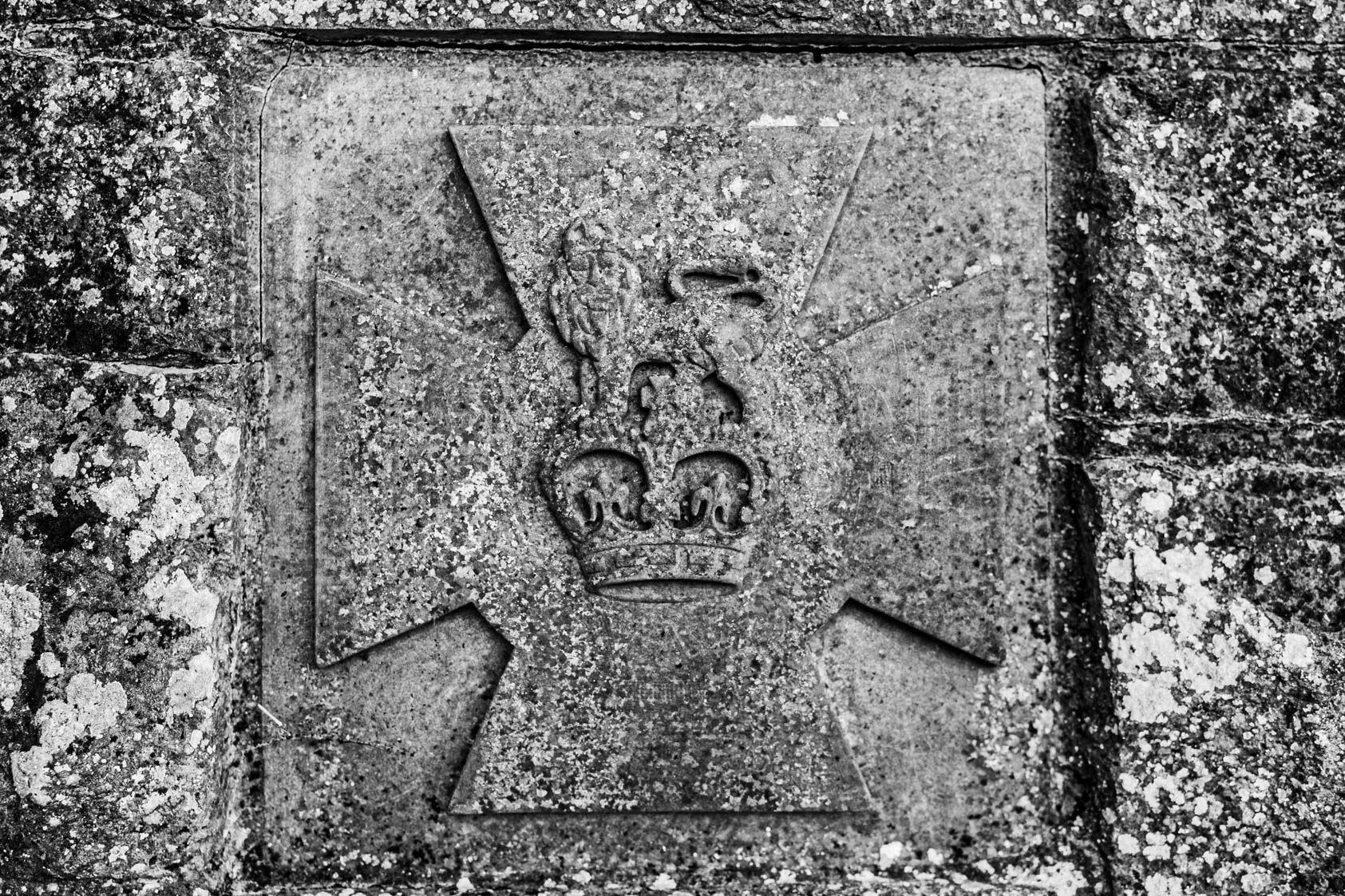
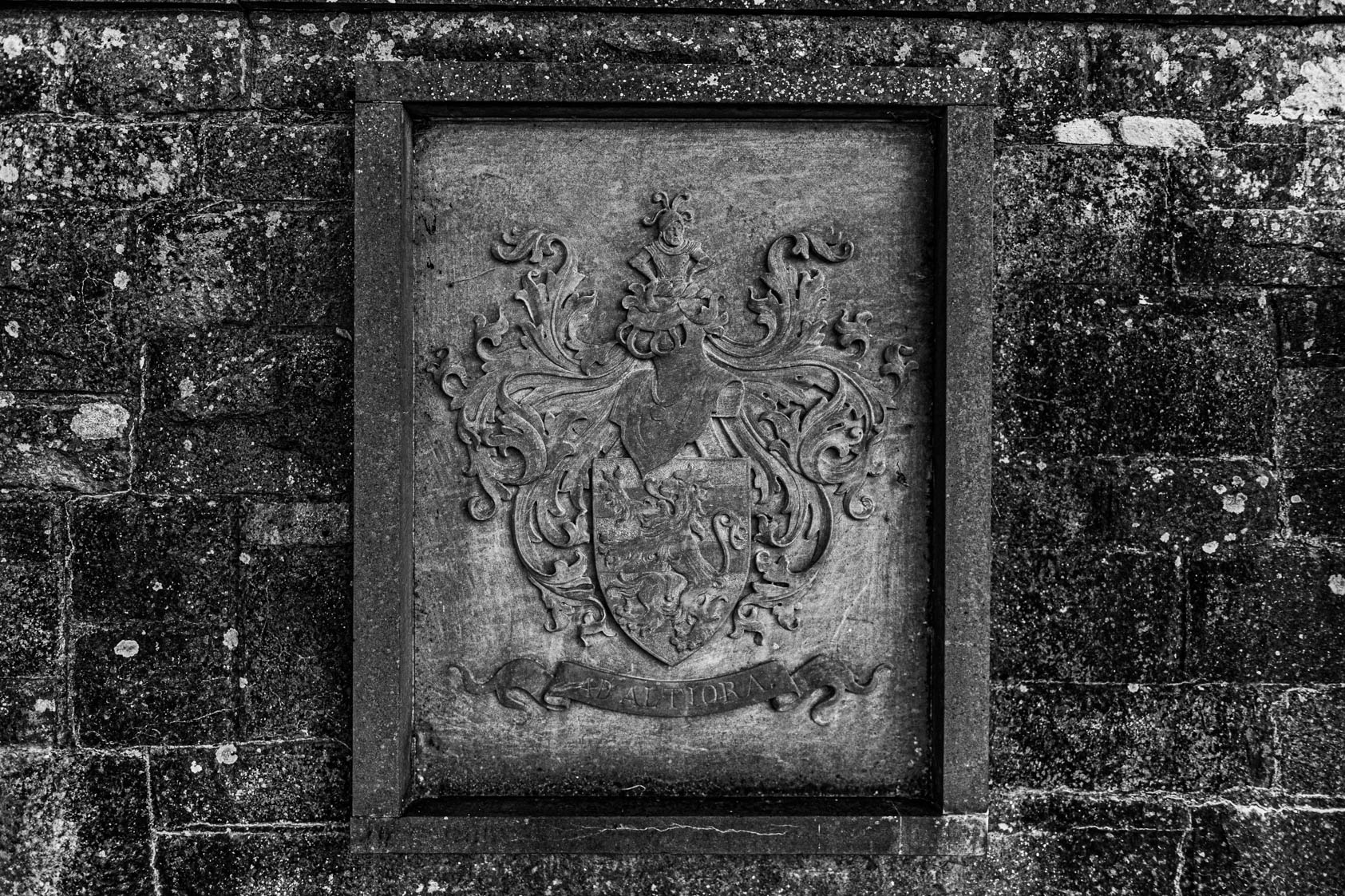
Caum Churchyard, Caum, near Macroom, County Cork
Feel free to browse through my gallery images below.